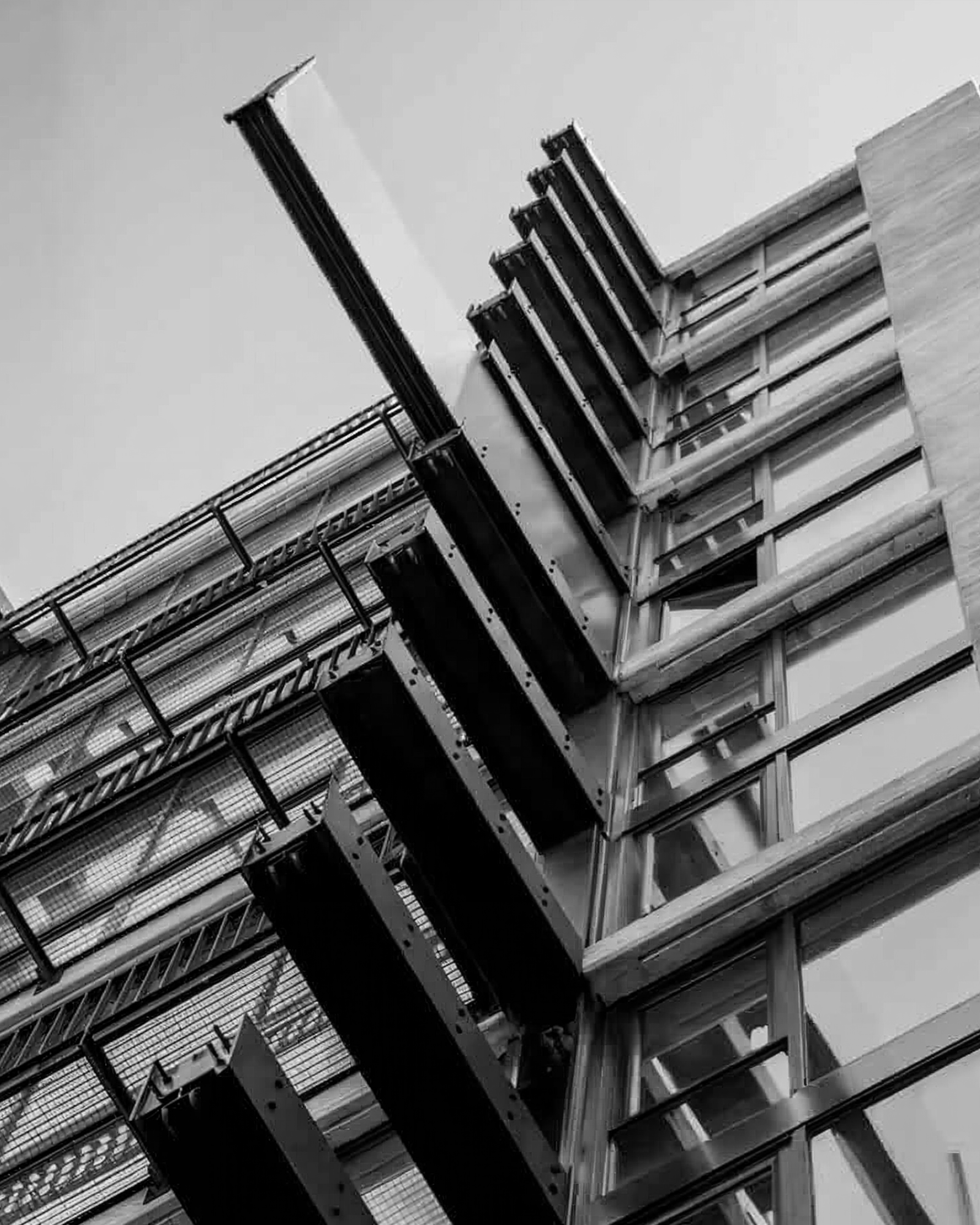
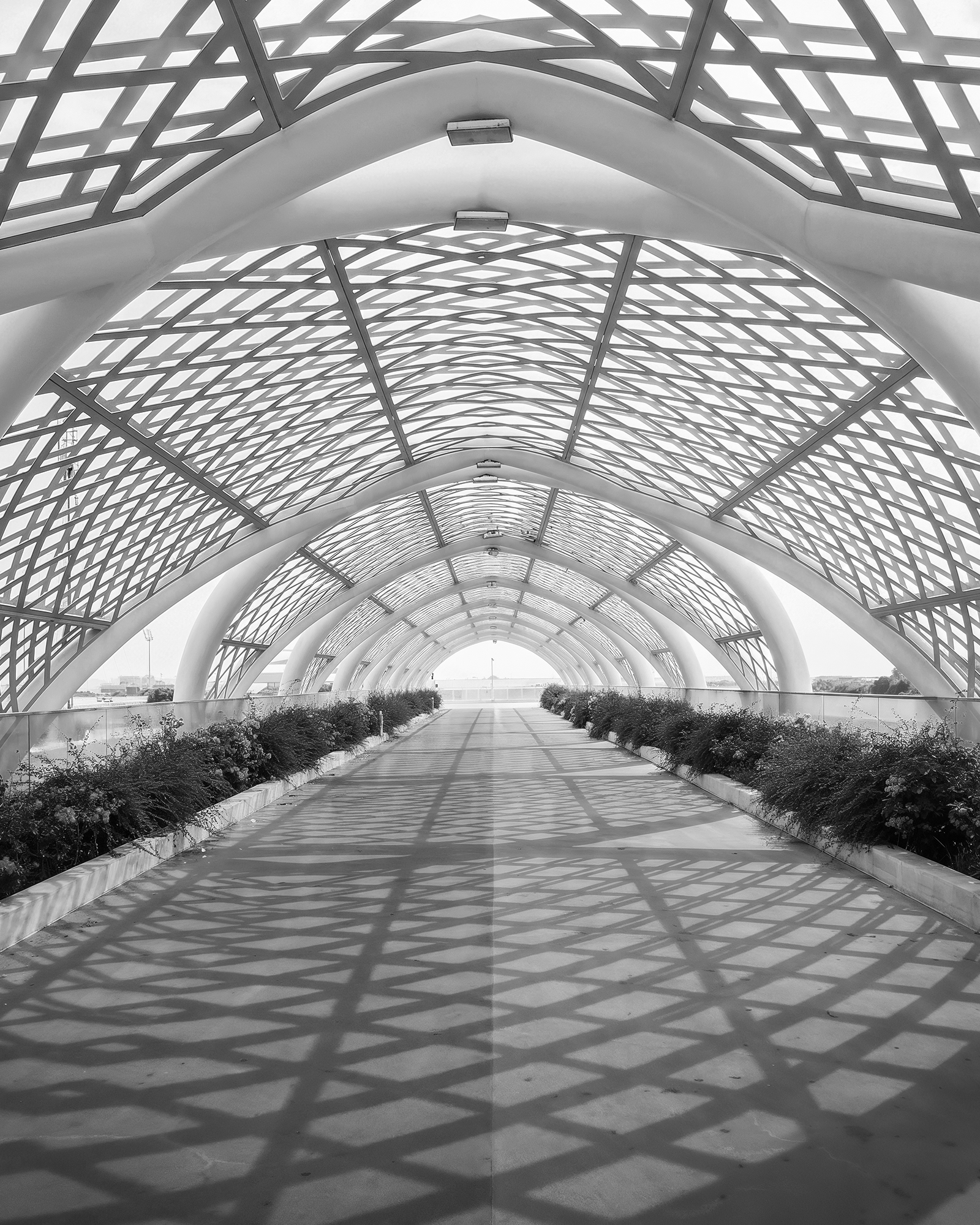
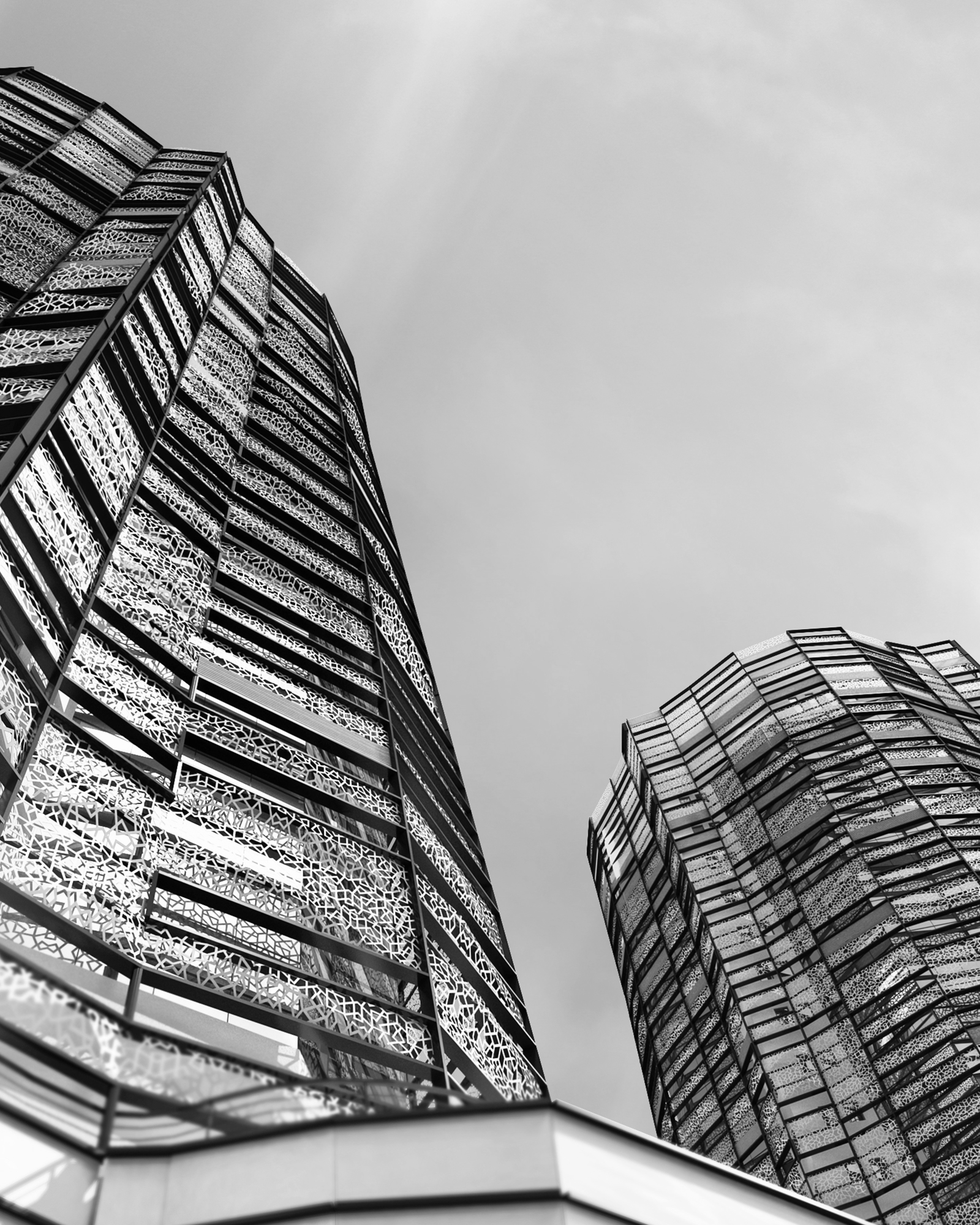
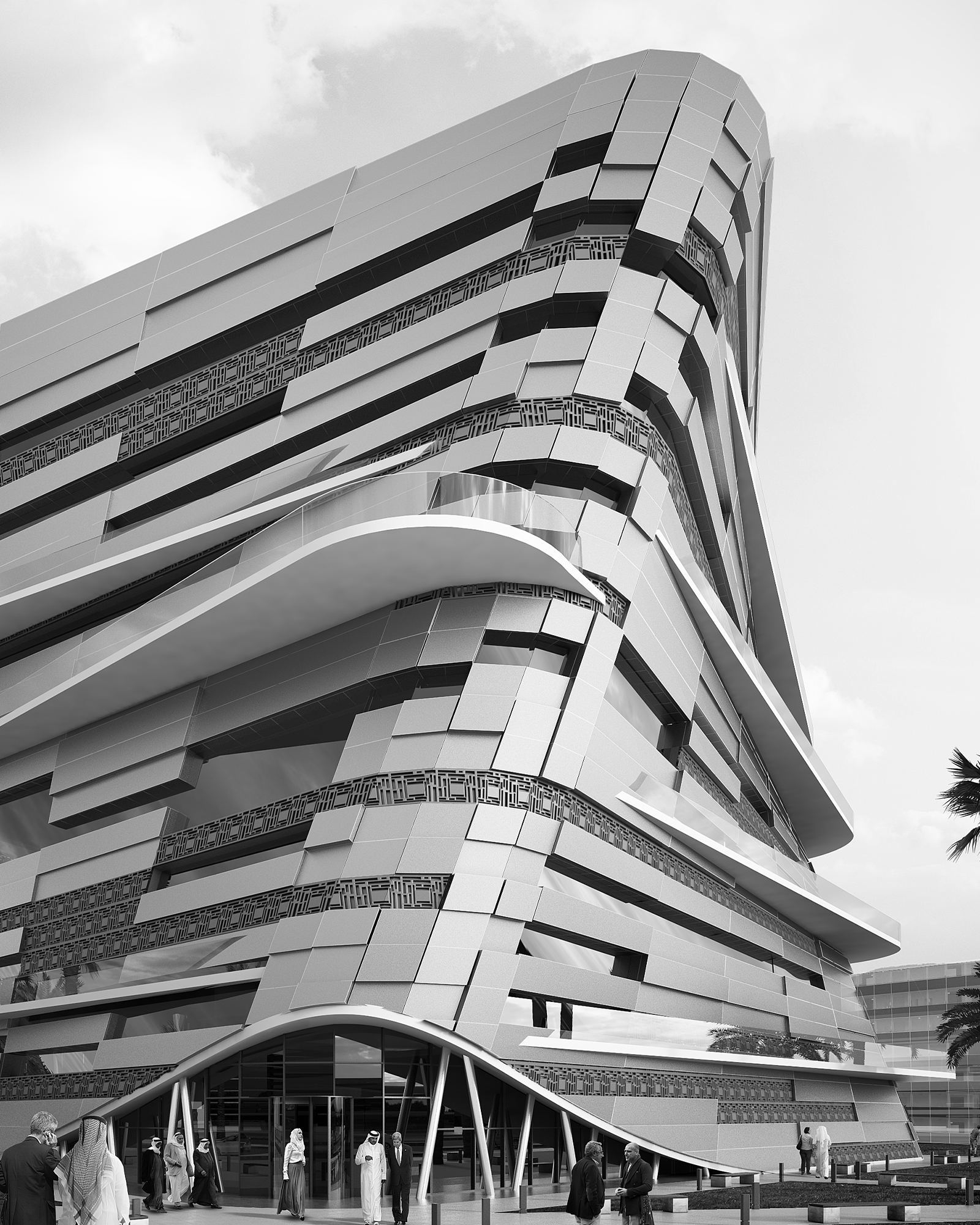
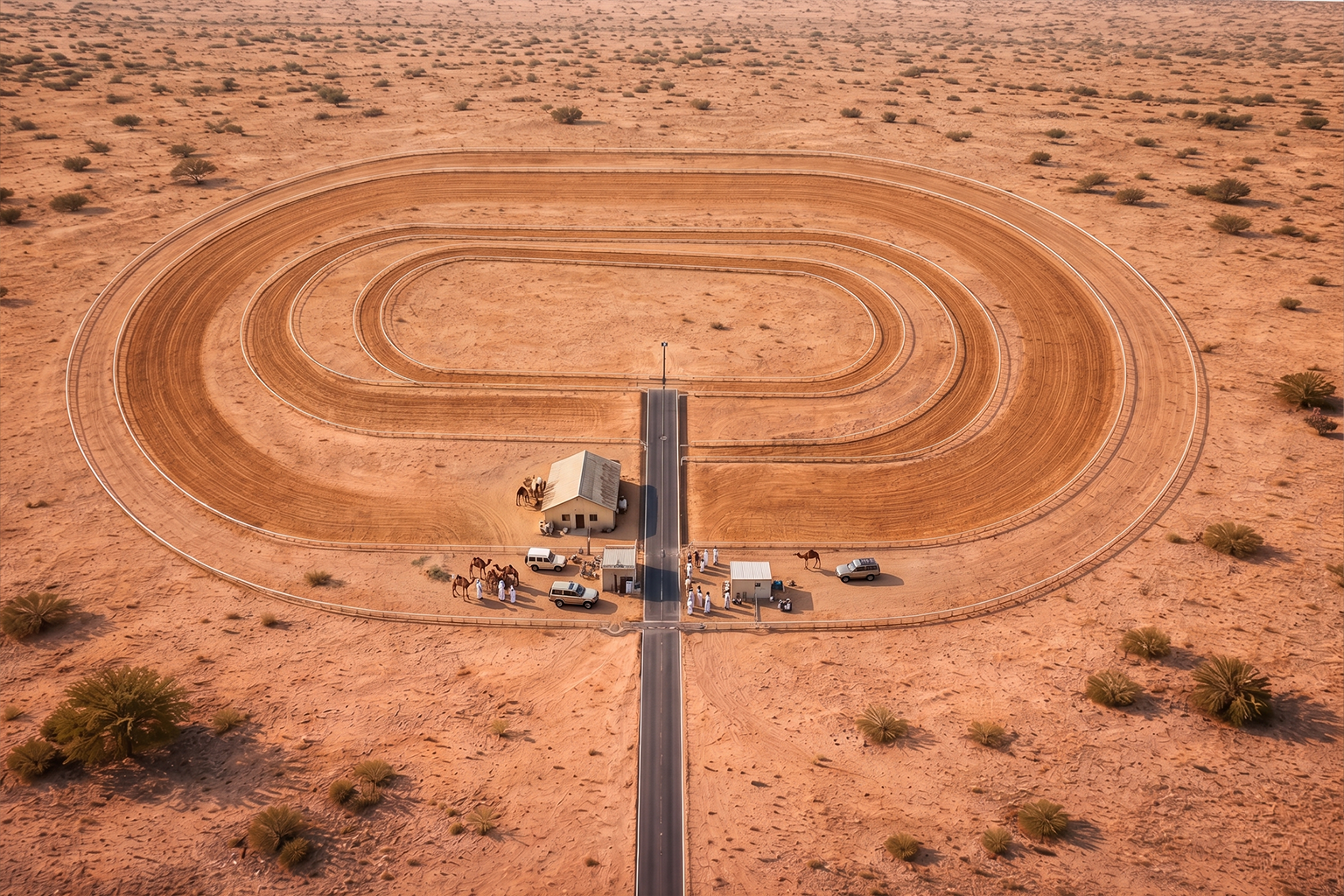
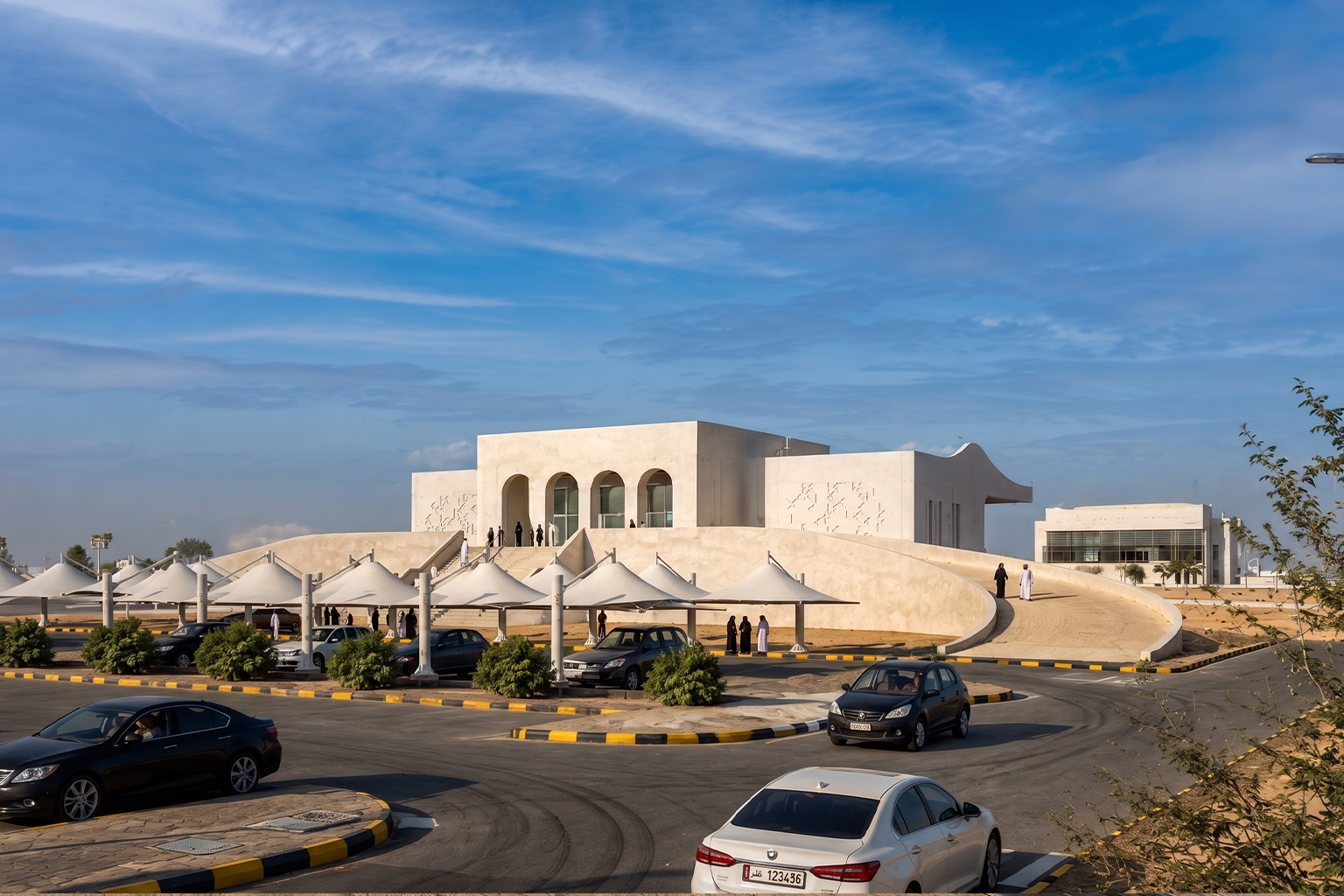
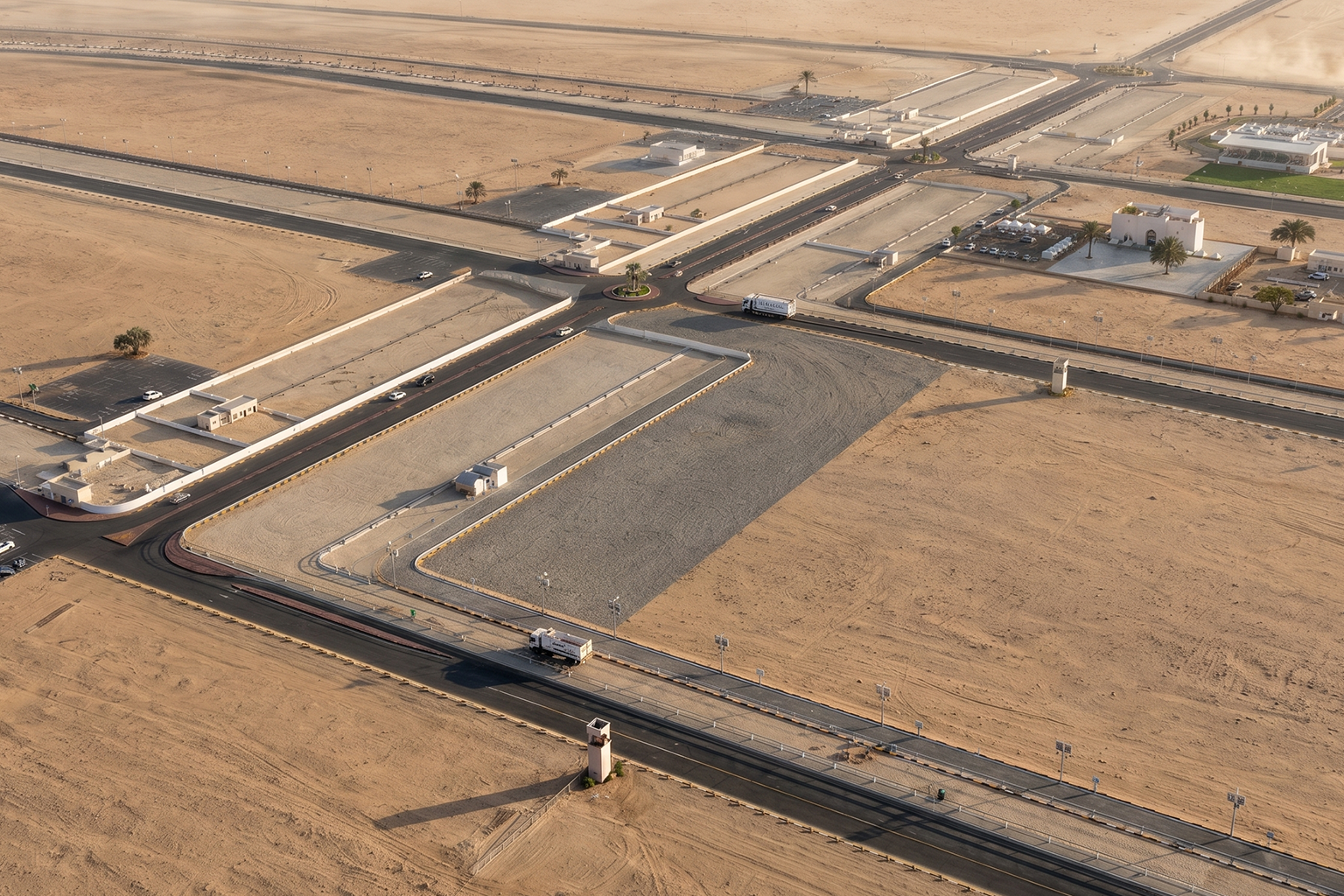
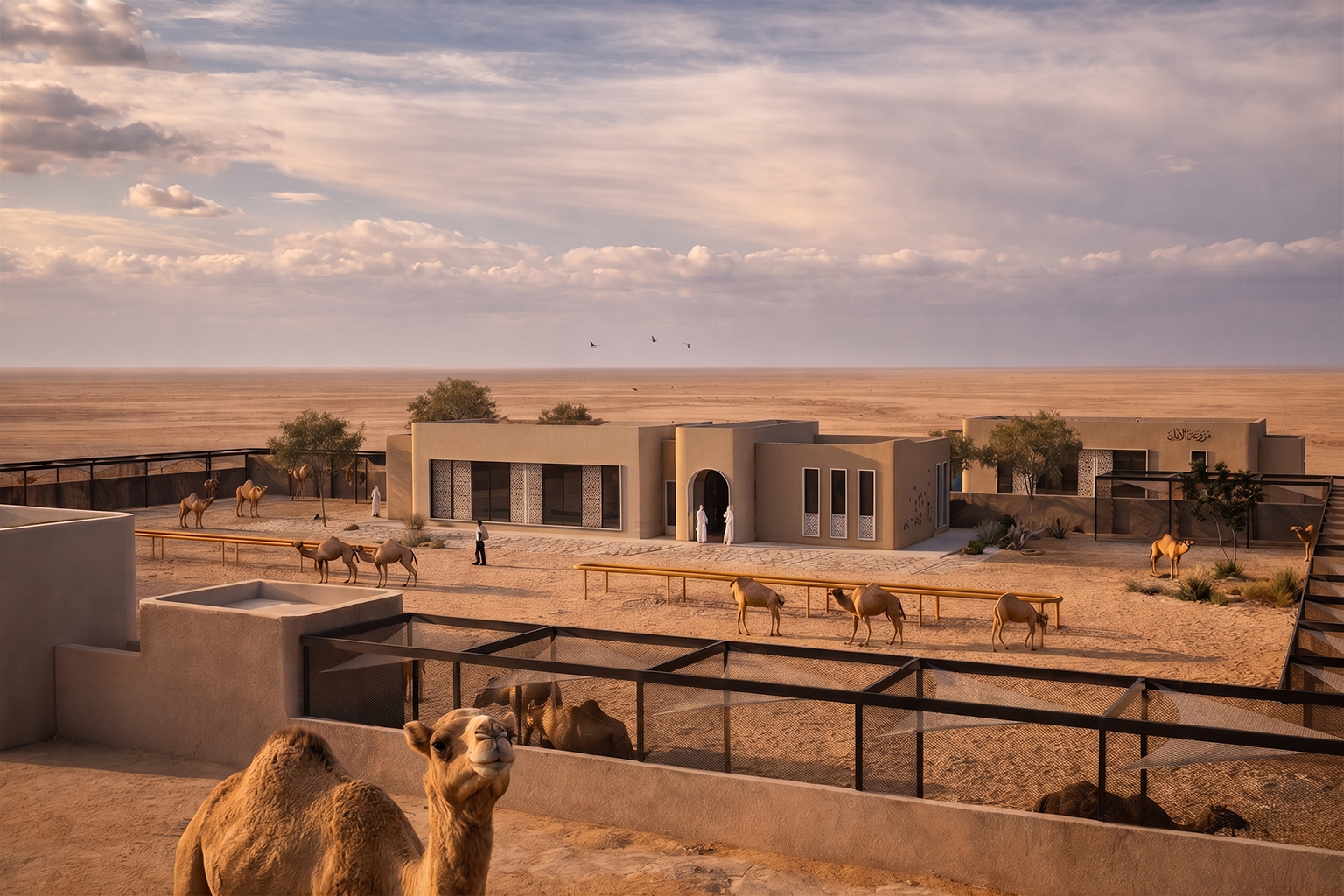
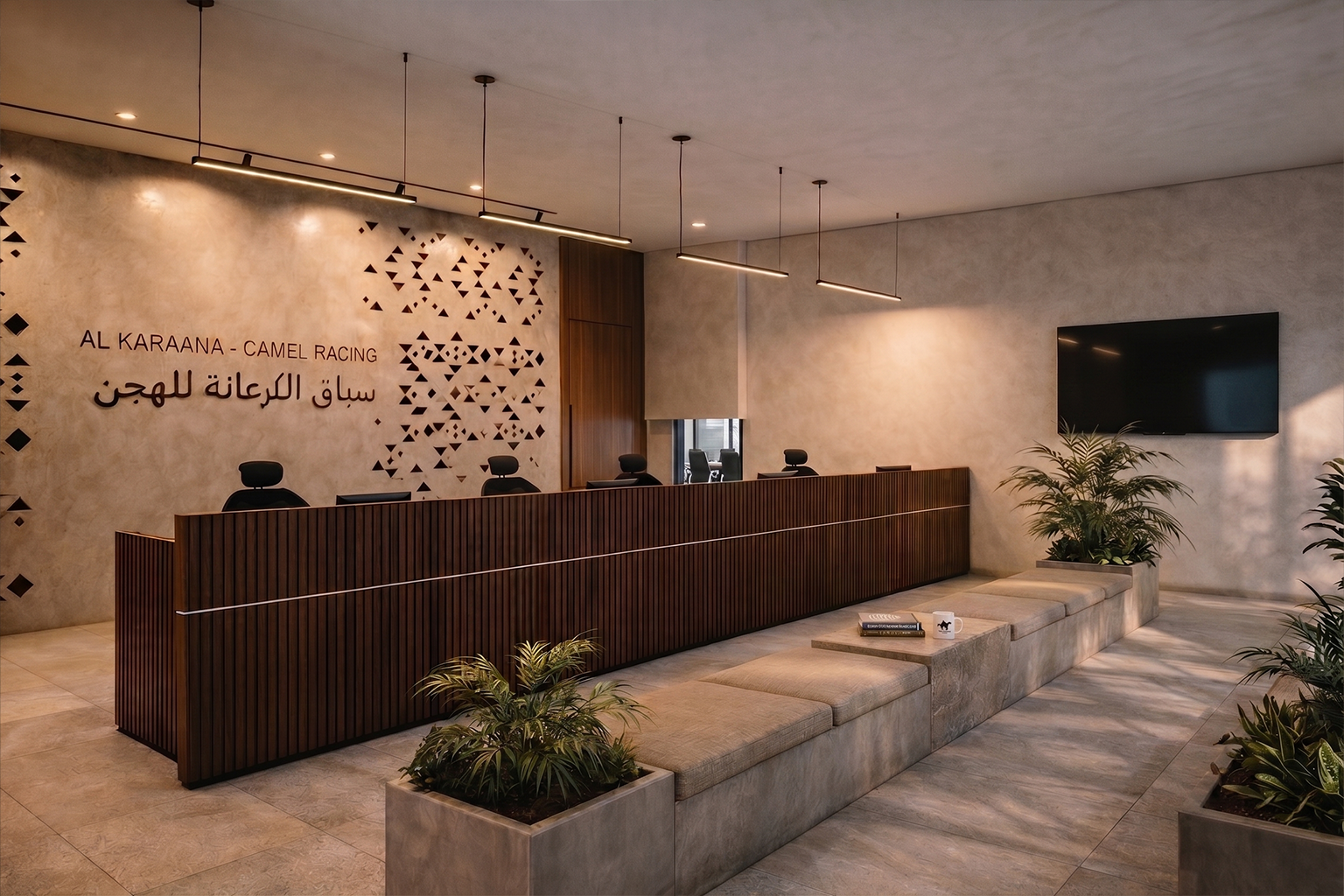
The Al-Karaana Camel Race Track was conceived as a contemporary venue for professional camel racing, reinterpreting a long-established tradition through a modern racing facility. Located on a 14,620,187 sqm site, the project involved the master-planning and design of a large-scale camel racing complex, featuring racing, animal care, operational and spectator facilities.
The masterplan features three primary race circuits 8 km, 6 km, and 4 km, complemented by a secondary 2 km starting track and provisions for an 8.5 km training loop, and 33 buildings, including a grandstand, veterinary facility, broadcasting building, administration building, and a network of substations and utility structures. These elements are supported by a robust network of vertical and horizontal circulation routes, farming zones, and future expansion corridors.
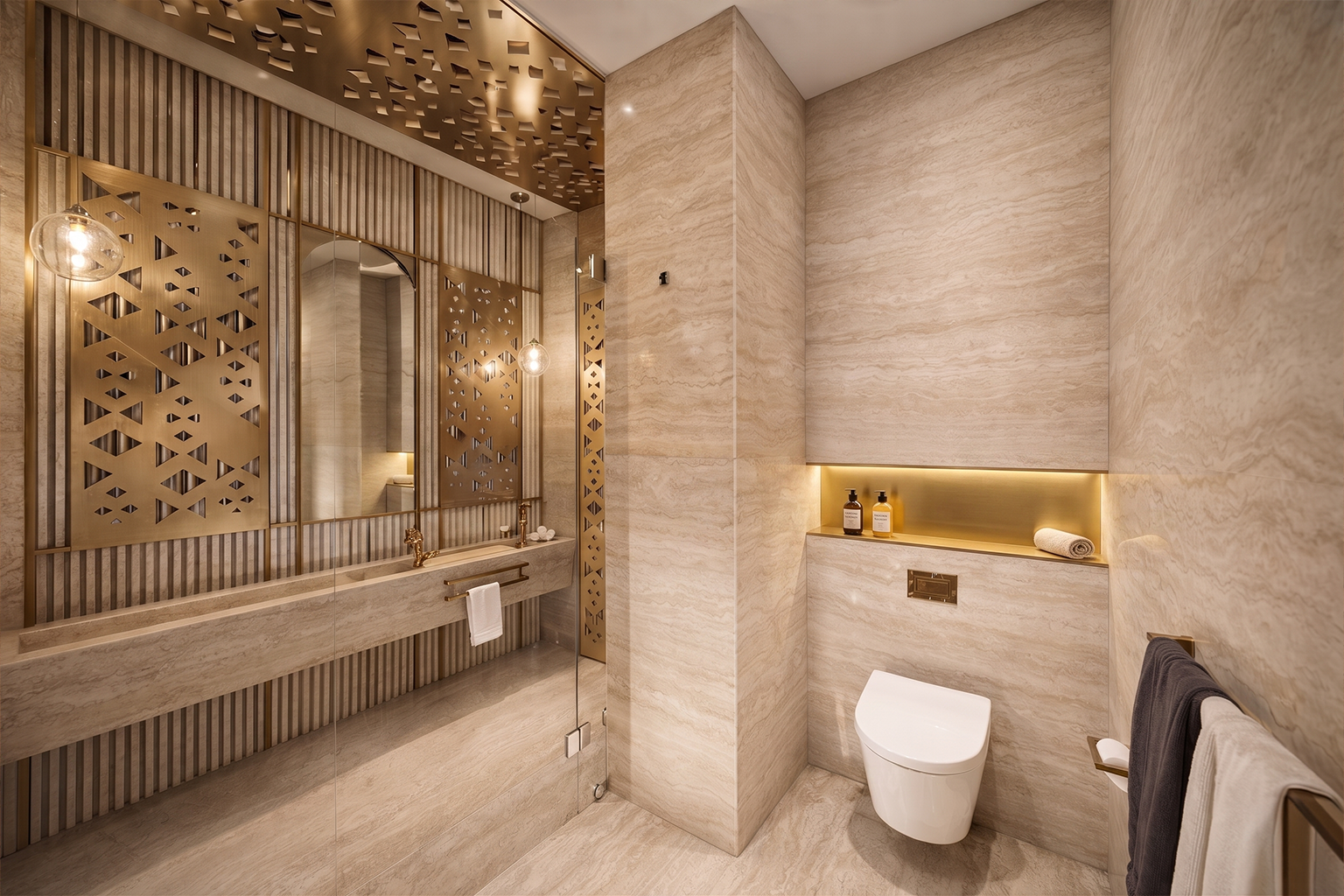
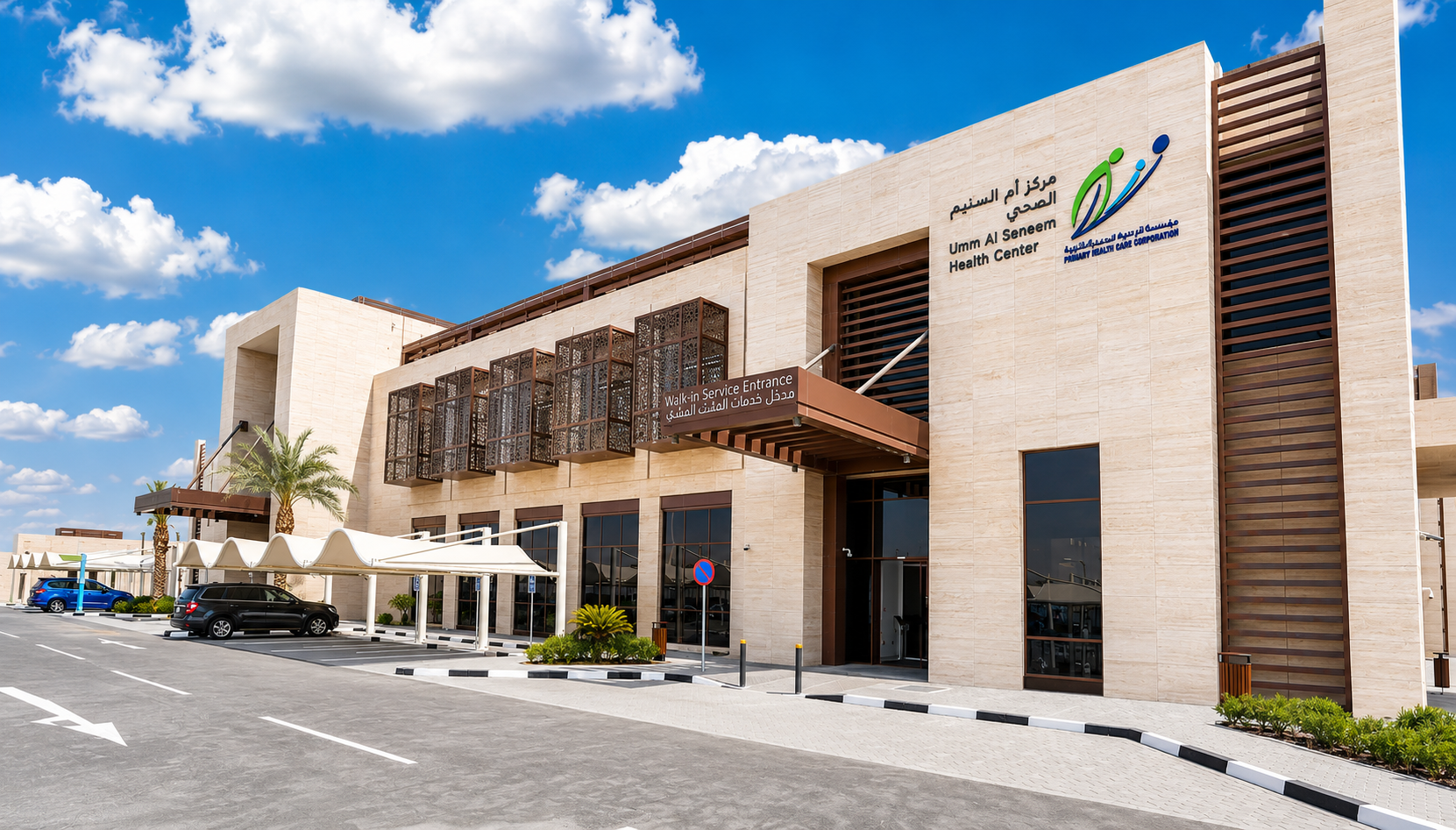
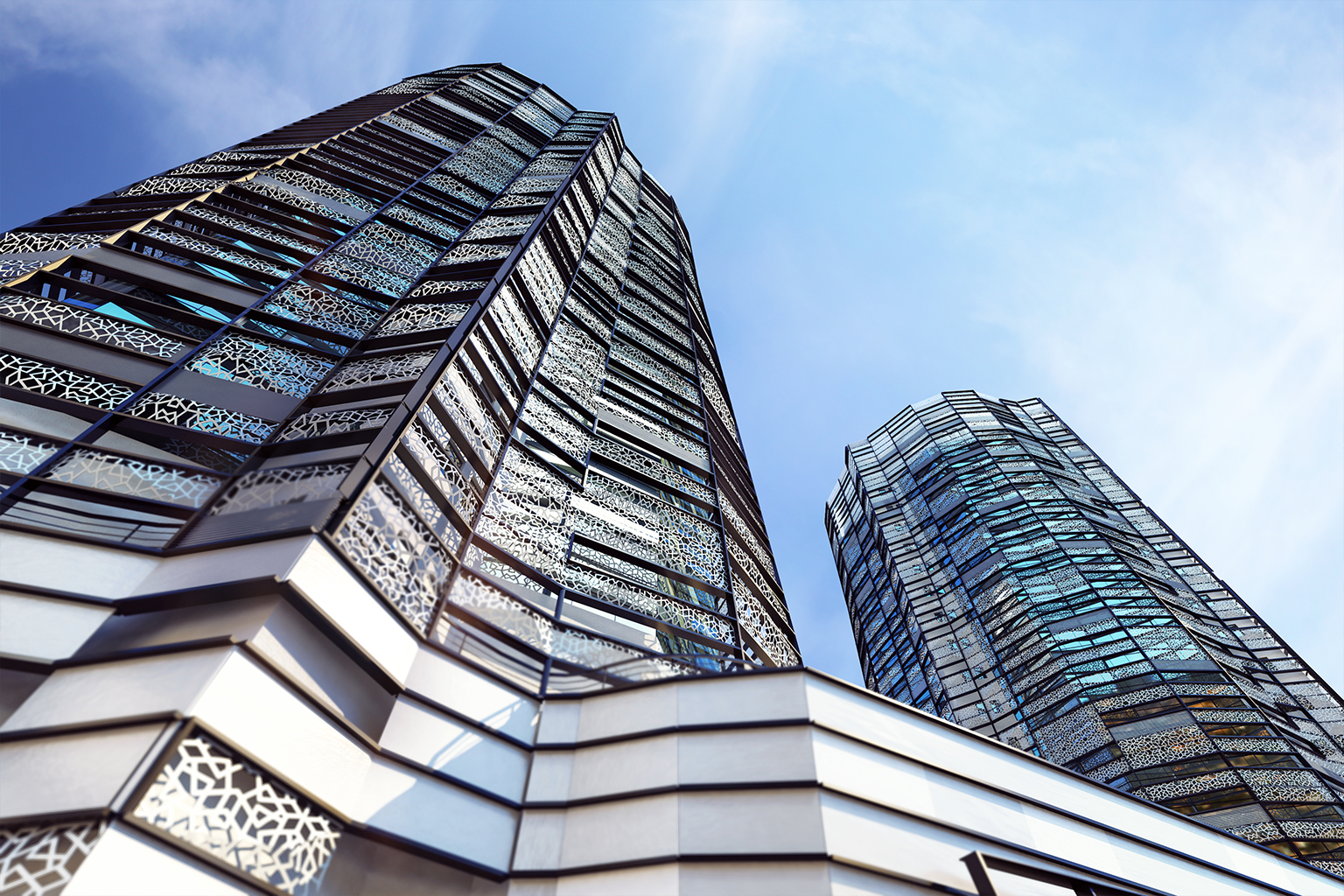
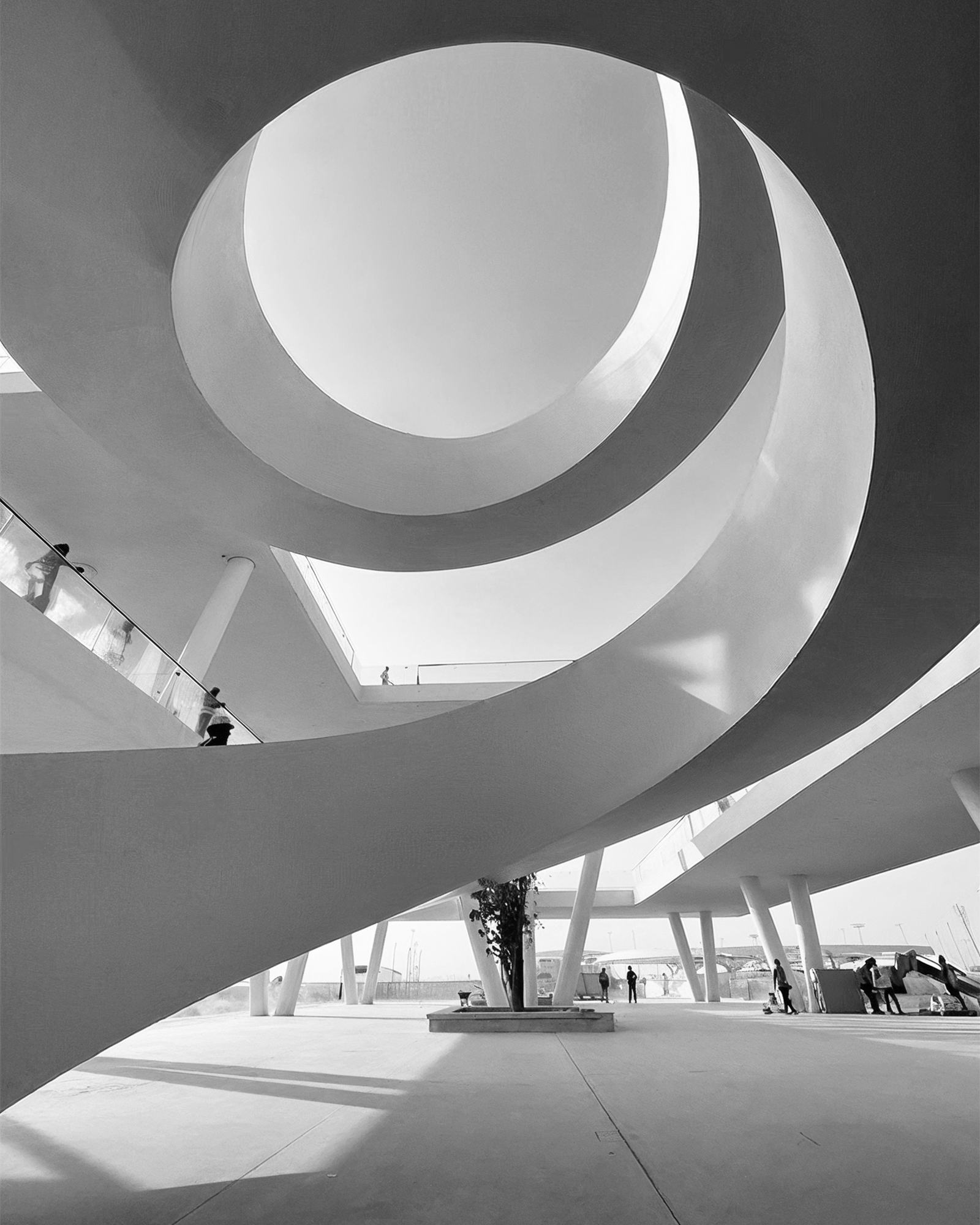
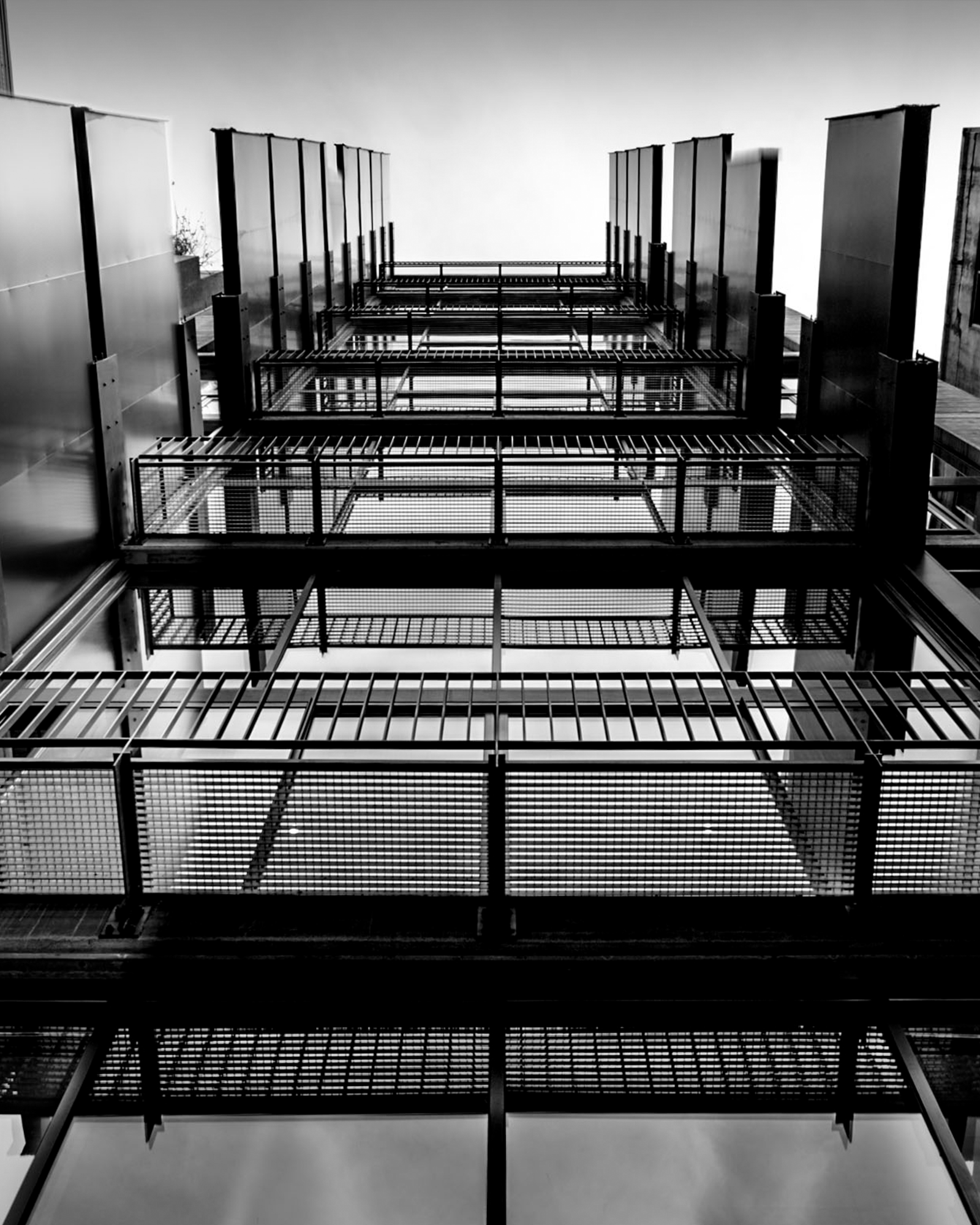
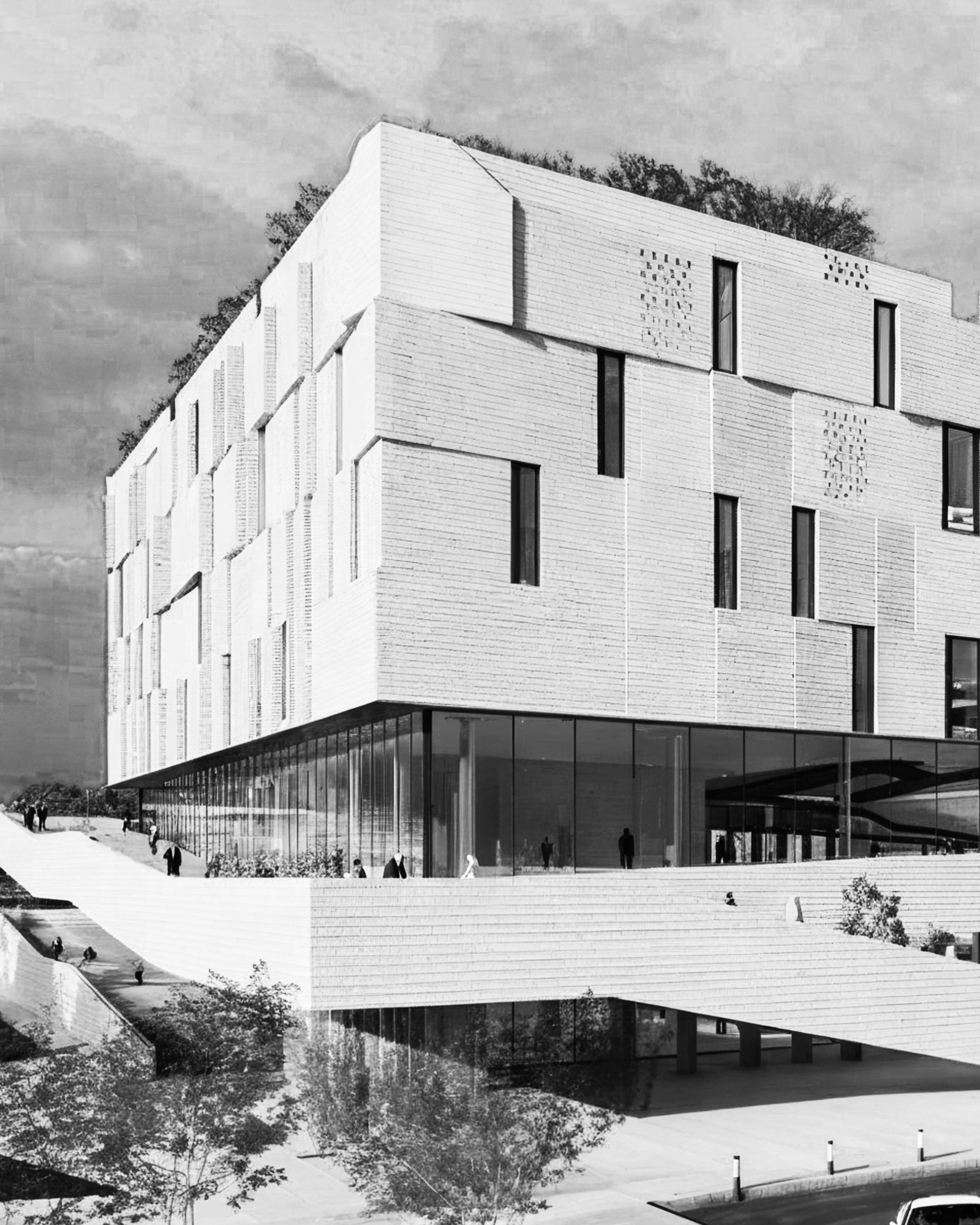
Rooted in traditional forms, the project develops Qatari design motifs into modern geometries defined by soft minimalism and functional elegance. The buildings’ façades leverage subtle perforations and deep recesses, expertly balancing light, shade, and ventilation to optimize comfort in the harsh desert climate. These passive design strategies significantly reduce energy demands while fostering a harmonious relationship with the environment. The buildings’ interiors combine modern performance with cultural identity, featuring refined finishes, specialized spaces, and advanced AVL systems that support the camel racing operations, spectator experience, and operational efficacy.
Each area integrates high-performance systems, from medium and low voltage electrical networks, comprehensive lighting solutions (including RGBW and track lighting), to advanced audiovisual and security systems, ensuring operational excellence and resilience.
Engineered for high performance and strict compliance, the infrastructure integrates sophisticated utility networks designed for maximum efficiency. The stormwater system was hydraulically modeled using Innovyze InfoWorks ICM, while irrigation relies on treated sewage effluent to conserve water. A foul sewer network, equipped with strategic lifting stations and holding tanks, manages wastewater, while all Mechanical, Electrical, & Plumbing and Fire Safety systems are seamlessly integrated to meet stringent regulatory standards.