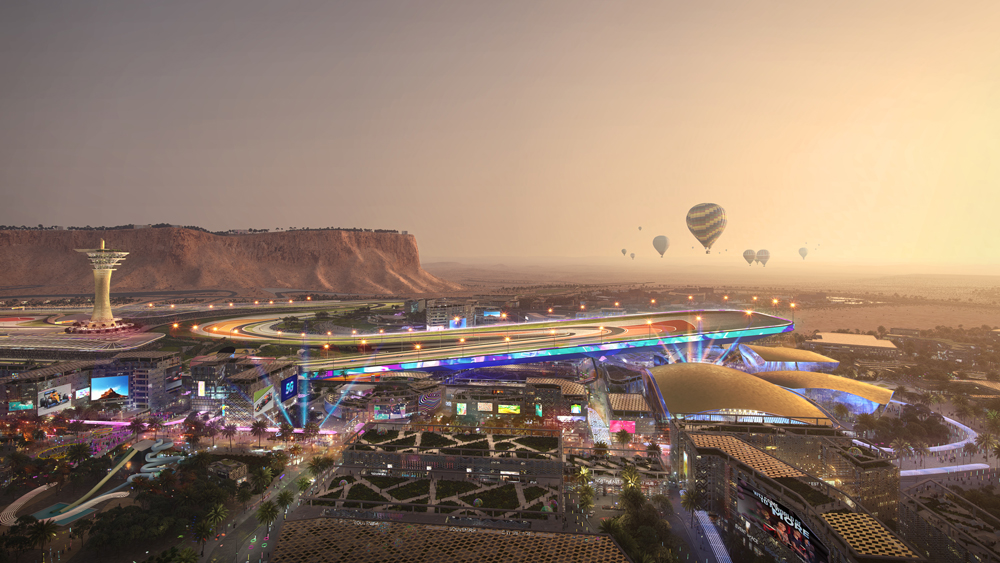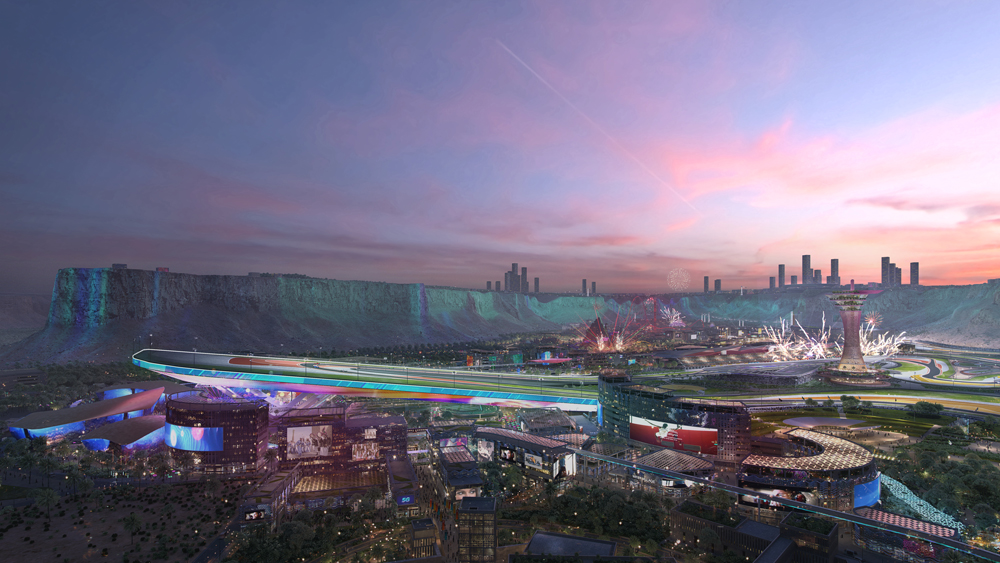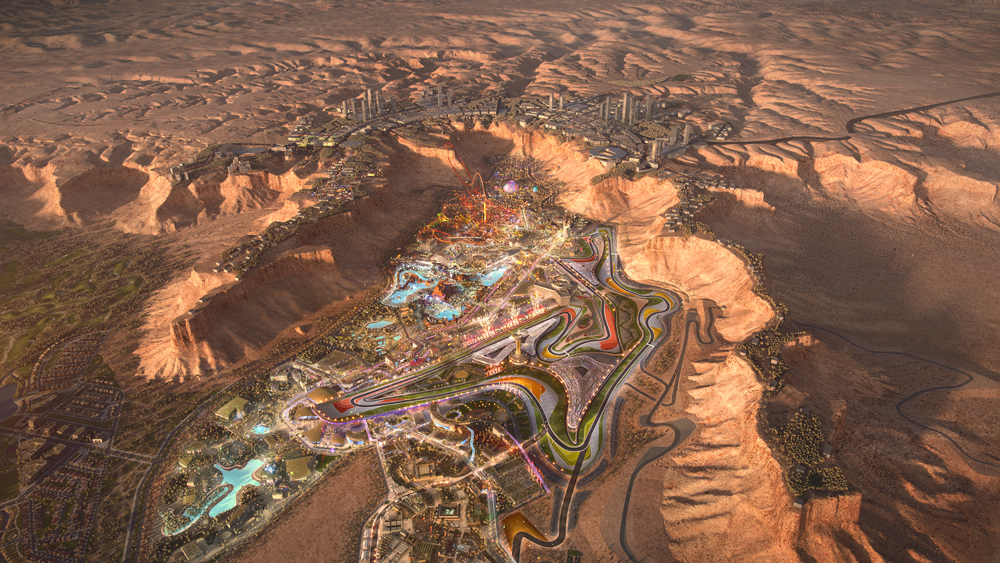
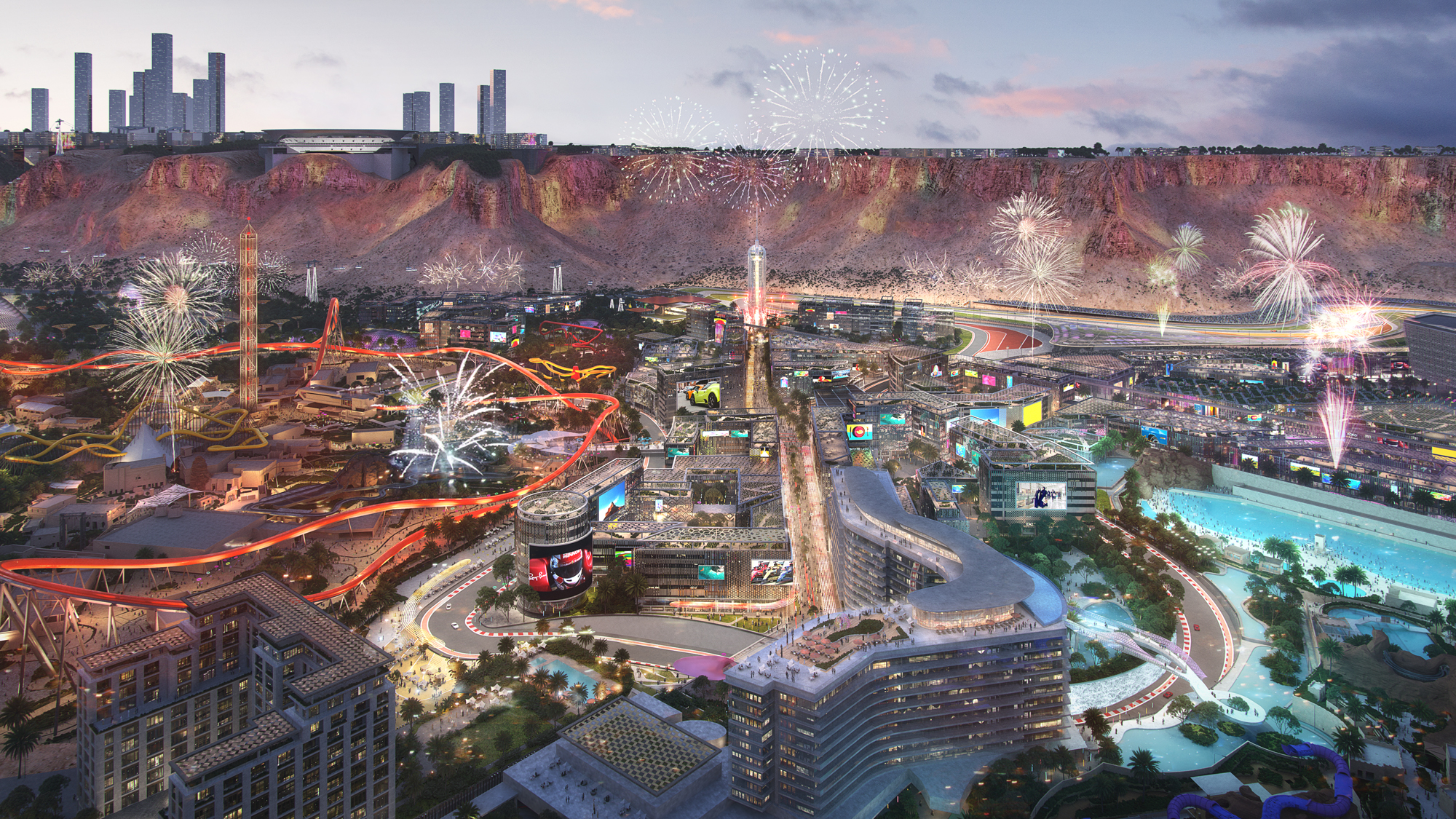
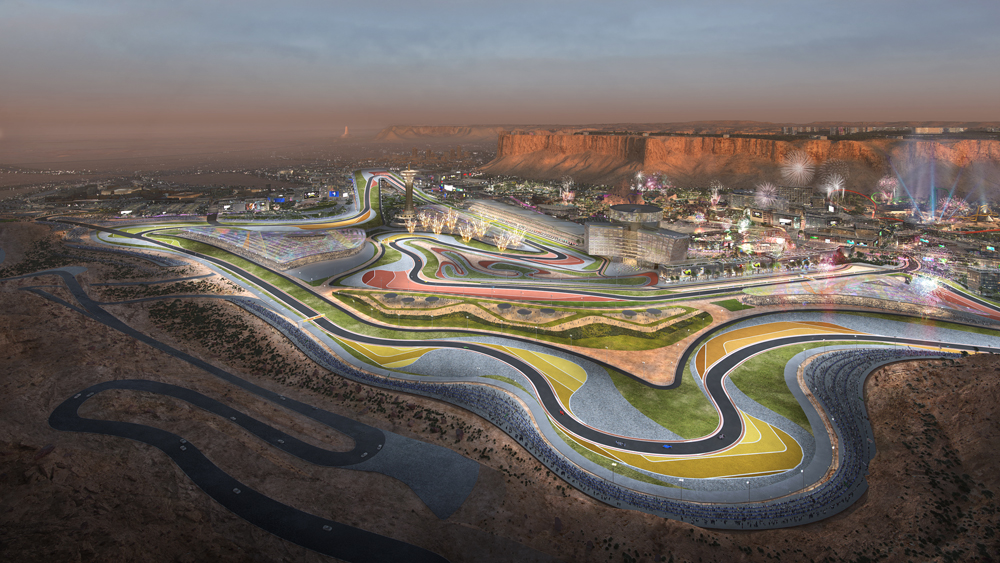
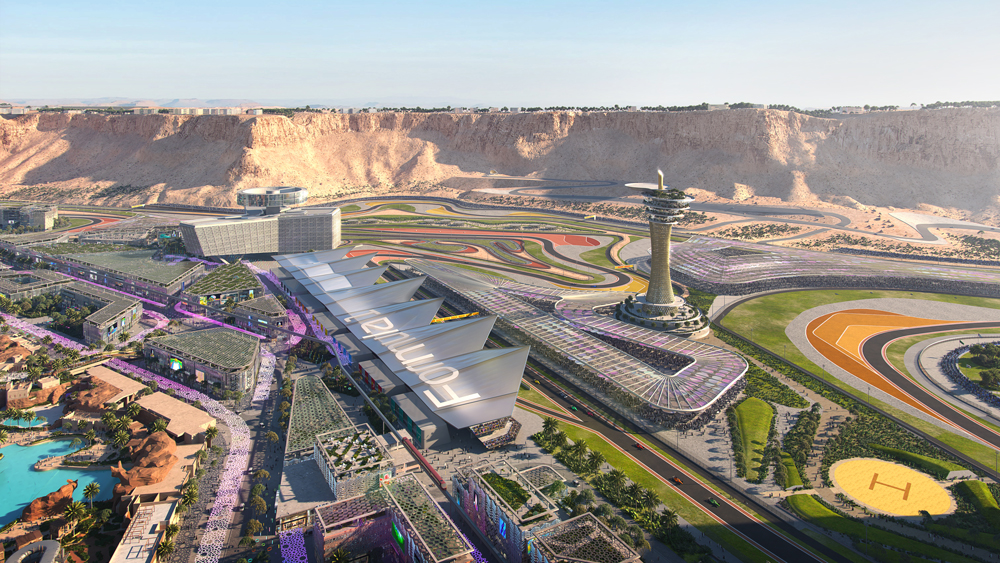
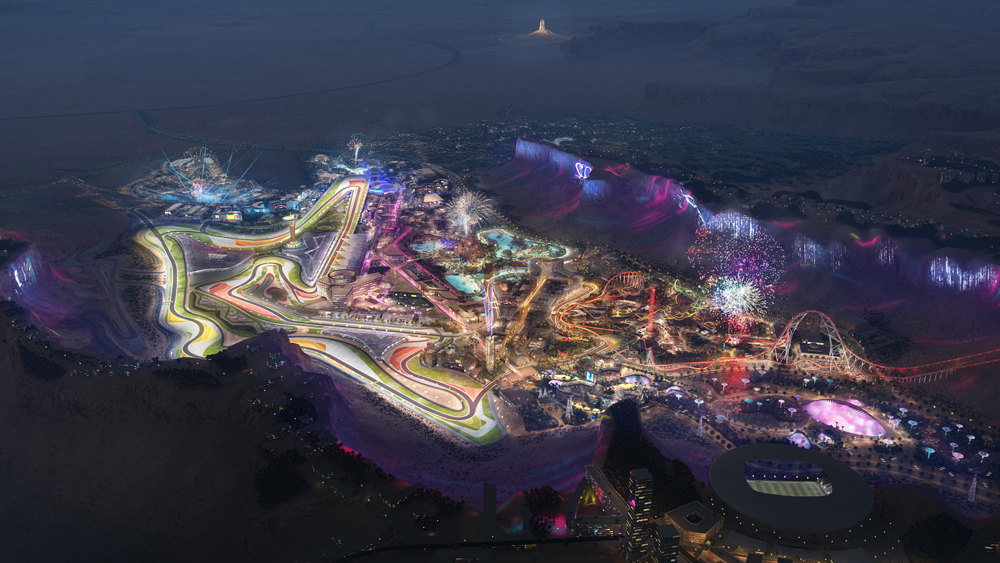
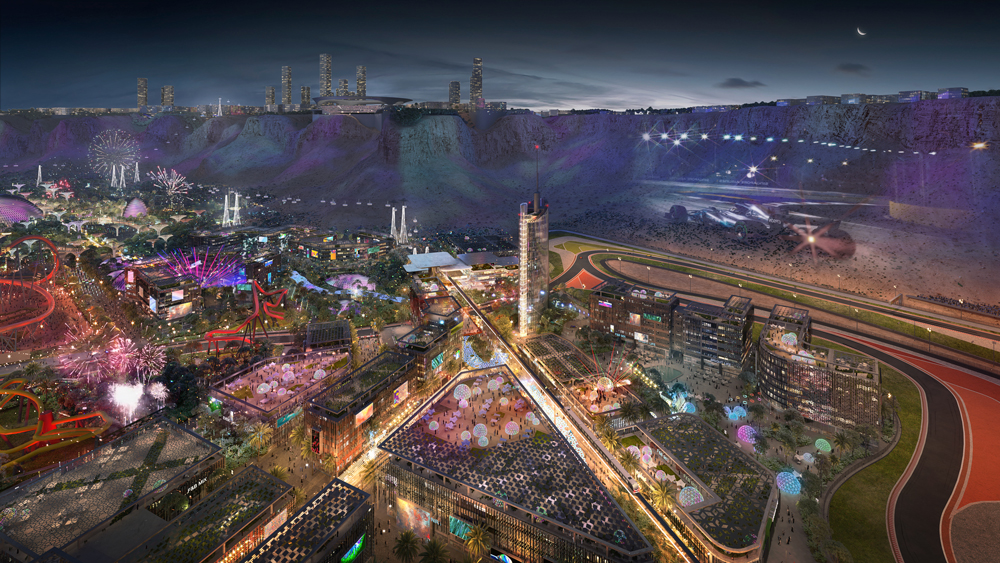
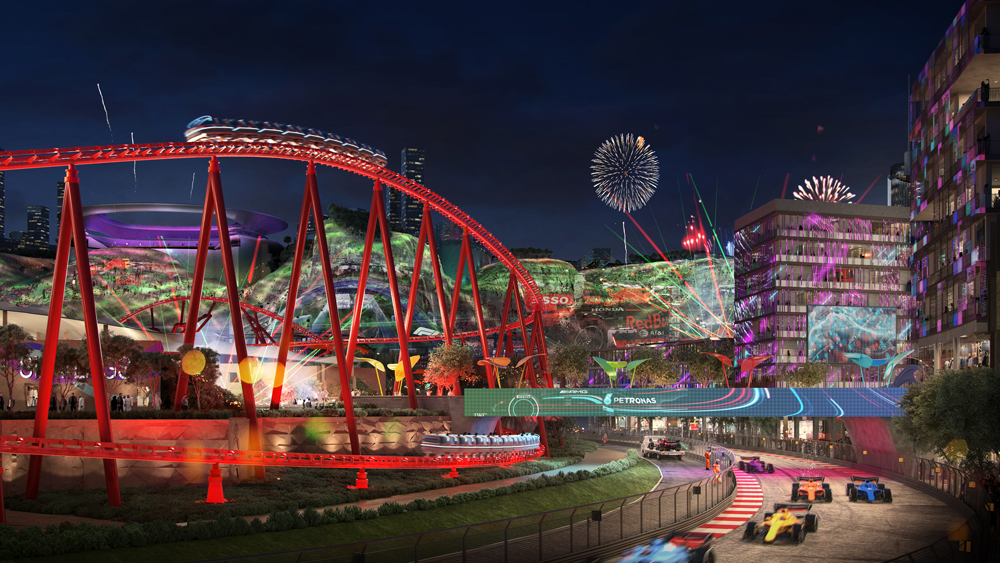
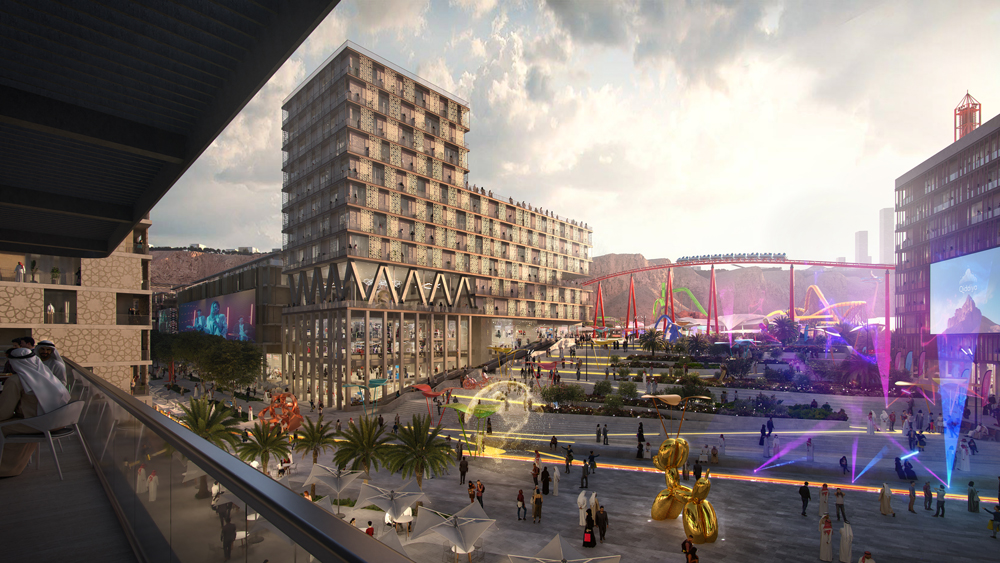
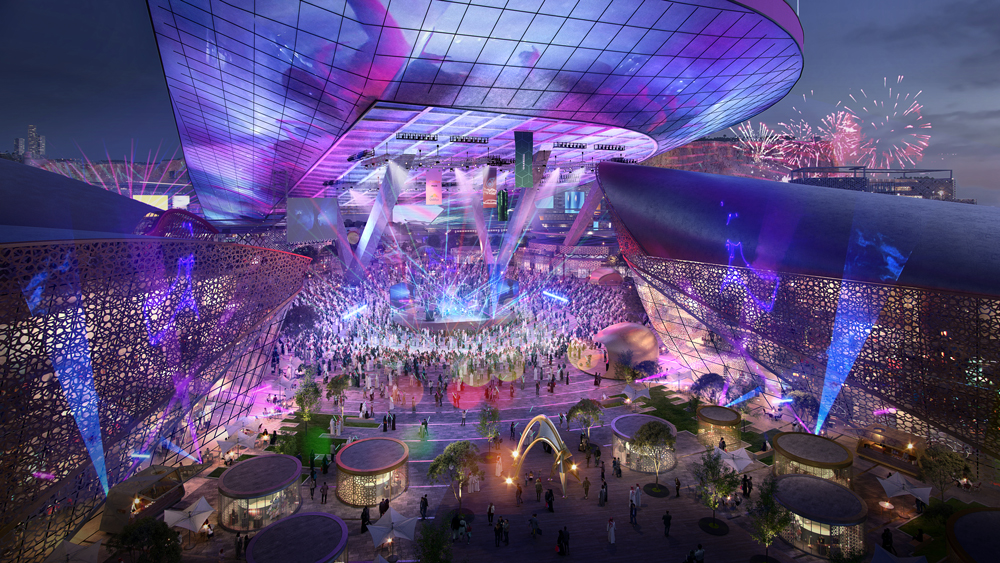
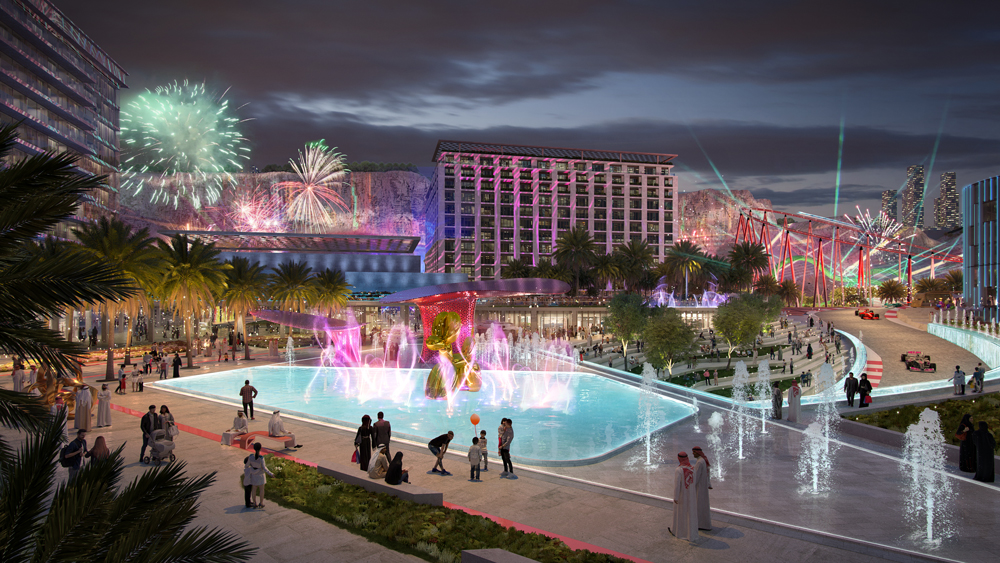
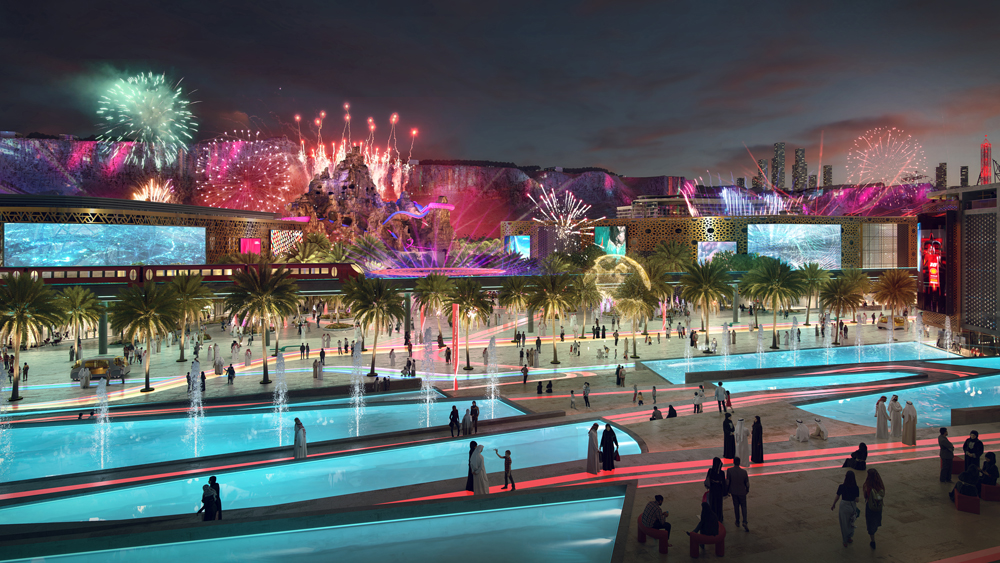
The Speed Park Track is a next-generation FIA Grade 1 motorsport circuit forming part of Qiddiya City, conceived as a fully integrated racing, entertainment, and urban infrastructure system rather than a conventional standalone racetrack. Embedded within the wider city masterplan, the circuit establishes a new model of motorsport development where high-performance racing operates continuously within an active urban environment, directly connected to surrounding entertainment districts, public realms, and mobility networks. The circuit includes around 21 corners, supports speeds exceeding 325 km/h, and incorporates significant elevation changes. Its layout combines street circuit-style sections with purpose-built racing infrastructure, creating a hybrid track designed for both high performance and urban integration.
A key element of this track is The Blade, the world’s first elevated raceable corner rising approximately 70 metres above ground level. This cantilevered structure transforms the circuit into a three-dimensional urban landmark, where racing becomes a visible architectural event within the city skyline. Technically, The Blade represents a highly complex structural system subjected to extreme dynamic loading from high-speed motorsport, requiring precise control of vibration, fatigue performance, and deflection under operational conditions. Unlike conventional elevated structures, the track geometry is structurally integral to the system, meaning the racing line, camber, barriers, and safety zones are embedded within the primary structure itself.
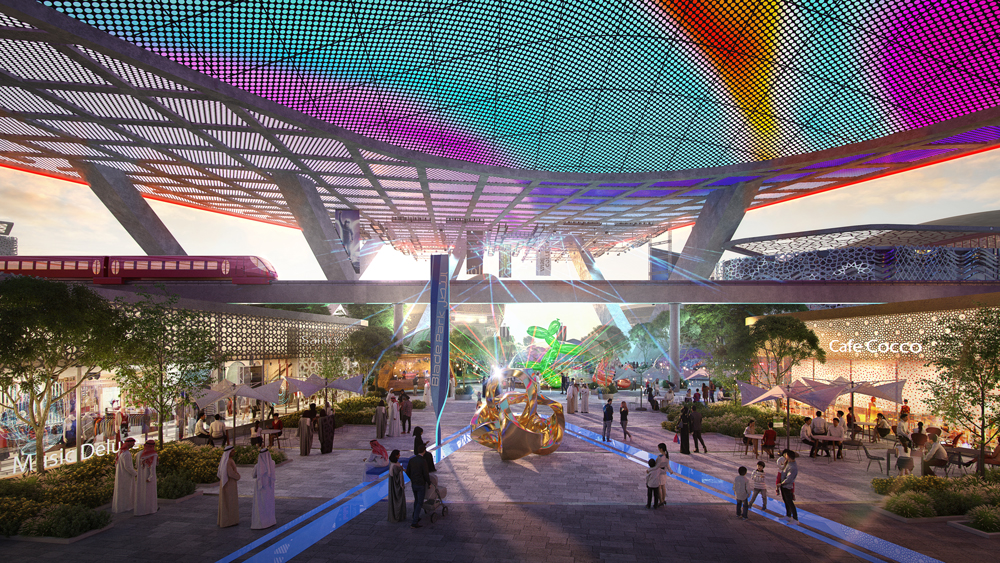
Towering above active urban infrastructure including entertainment venues, pedestrian areas, and transport systems, the Blade introduces significant engineering and construction challenges related to staging, temporary works sequencing, and multi-disciplinary coordination within a live city context. The structure also integrates FIA-compliant safety systems alongside digital and event technologies, further increasing technical complexity across structural, mechanical, and systems interfaces.
The scope was executed in collaboration with Tilke Focus Design, our equally owned operation with Tilke GmbH. It encompassed full site oversight and multidisciplinary coordination across all construction phases, ensuring compliance with FIA Grade 1 standards, design intent, and stringent safety and performance requirements, with particular focus on the delivery of the elevated Blade structure. The role involved managing complex interfaces between structural works, track systems, and surrounding urban infrastructure; overseeing construction sequencing and buildability within a highly constrained environment; and ensuring quality, safety, and compliance throughout one of the region’s most technically complex and iconic infrastructure projects.